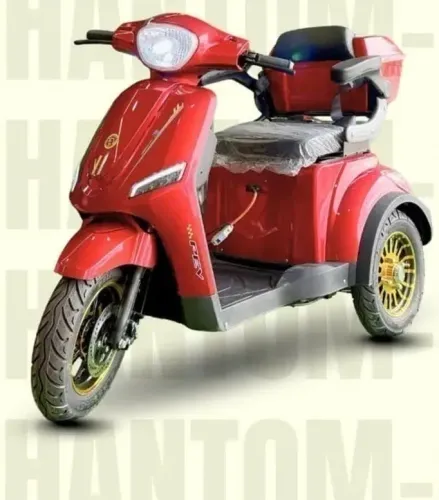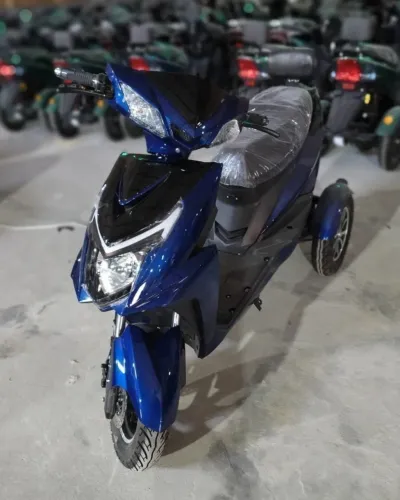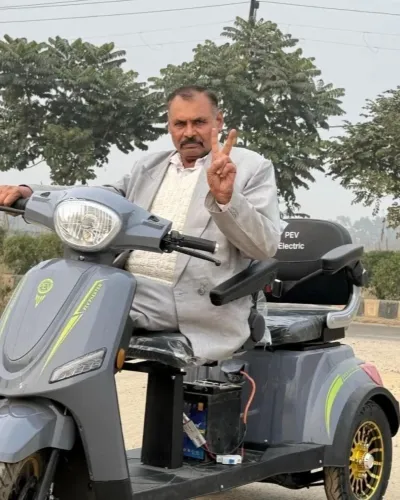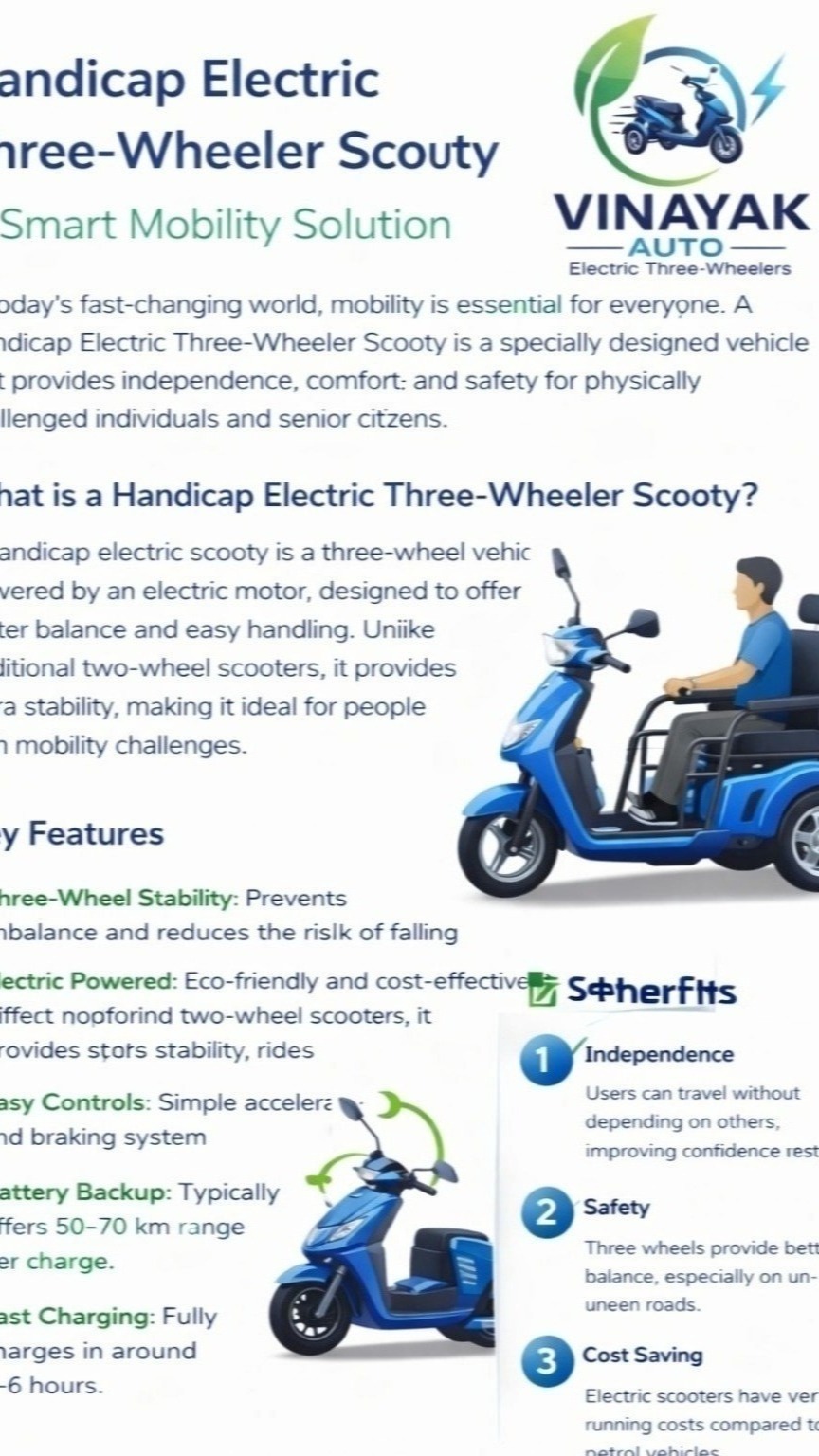
A handicap electric three wheeler scooty can be an important mobility purchase, which makes avoiding basic selection mistakes especially valuable.
Many unsuitable purchases happen not because the vehicle is inherently poor, but because its specifications or design do not match the user's everyday requirements.
Here are some of the most common issues Nashik buyers should watch for.
Choosing Only by Battery Range
A large claimed range can sound reassuring, but range should be evaluated alongside actual daily travel.
If the rider normally travels a modest distance, comfort, control accessibility and manoeuvrability may deserve greater priority.
Battery range can also change according to road conditions, load, riding behaviour and battery condition.
Ignoring Entry and Exit
People often concentrate on riding comfort while overlooking how easily the user can mount and dismount.
For someone with reduced mobility, this can become one of the most important practical considerations.
Check the seat height, available support, foot placement and surrounding space.
Assuming Three Wheels Remove Every Stability Concern
A three-wheel configuration provides a different stability profile from a two-wheeler, particularly when stationary.
That does not mean turning technique, braking and road conditions can be ignored.
The rider should become familiar with the vehicle's handling characteristics and operate it according to the manufacturer's guidance.
Not Checking Reverse Operation
A heavier electric vehicle can be difficult for some users to reposition manually.
Reverse functionality may therefore be especially useful when parking or leaving confined spaces.
VINAYAK AUTO lists a soft reverse gear on selected Phantom electric three-wheelers.
Buyers should check how the reverse control works and whether the intended rider can operate it comfortably.
Forgetting About Home Parking
Measure the parking area before finalising a vehicle.
Apartment entrances, gates, ramps and passages can create difficulties if the vehicle dimensions were never considered.
Nashik residents living in housing societies should also think about how the three-wheeler will move from the parking space to the road.
Overlooking Charging Practicality
The battery cannot be treated as an isolated specification.
Ask:
Where will charging happen?
How often will charging be required?
What charger is supplied?
What instructions apply to the battery?
How should the battery be maintained?
A convenient charging routine is essential for regular use.
Assuming All Variants Are Identical
Even vehicles with similar names can have different battery options or equipment.
The provider's published Phantom listings, for example, show several configurations and battery choices.
Confirm the specifications of the exact unit rather than relying on information for another variant.
Ignoring After-Sales Requirements
Electric mobility vehicles still require routine attention.
Tyres, brakes, batteries, wiring and other components may need inspection or maintenance over time.
Before purchasing in Nashik, understand how servicing and spare-part requirements are handled.
A well-chosen handicap electric three wheeler scooty should fit the rider's physical needs, local routes and home environment.
Avoiding these common mistakes makes the purchase decision more practical and reduces the chance of discovering important limitations only after the vehicle has entered daily use.