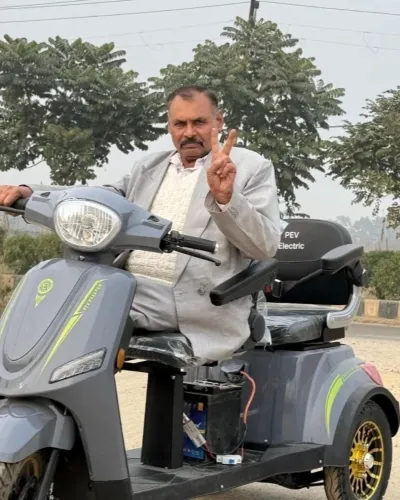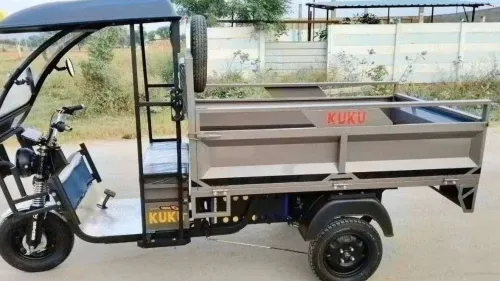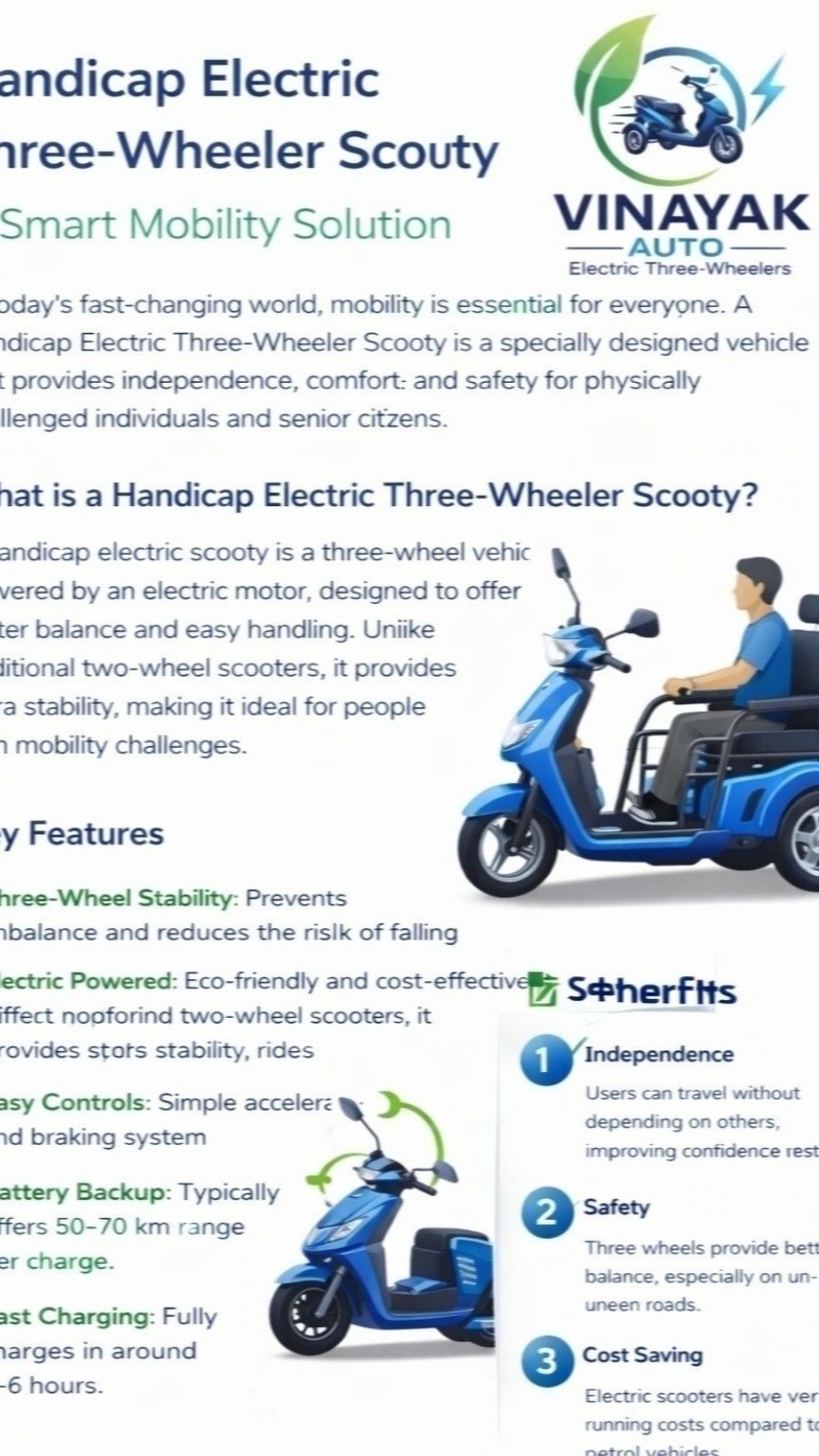
Buying a handicap electric three wheeler scooty can be an important mobility decision, particularly when the vehicle is intended for regular personal use. Yet buyers sometimes focus heavily on specifications while overlooking practical details that determine whether the vehicle will actually be convenient.
In Pune, avoiding a few common mistakes can make the selection process considerably more effective.
Choosing Without Involving the Rider
One of the biggest mistakes is allowing specifications or family preferences to replace the intended user's experience.
Whenever practical, the rider should evaluate seating position, control reach, entry and exit, visibility, and general comfort.
Physical requirements differ from person to person. A configuration that suits one user may not suit another.
Assuming Three Wheels Solve Every Stability Concern
A three-wheel design reduces the need to balance the vehicle in the same way as a conventional two-wheeler, especially while stationary. However, users still need to understand steering, turning, braking, and other handling characteristics.
Vehicle familiarity remains important.
Buying Based Only on Maximum Range
Advertised range figures can attract attention, but everyday usability depends on actual operating conditions.
A more practical method is to calculate typical daily kilometres and expected maximum routine travel. Then consider charging access and a suitable range margin.
Load, road conditions, gradients, riding style, battery condition, and other factors can affect real-world range.
Ignoring Parking Measurements
Three-wheelers have a different footprint from regular scooters.
Before buying, measure the parking location, gate width, access route, and available manoeuvring space. Pune apartment complexes and older residential properties can sometimes have restricted parking areas.
Finding this out after purchase creates an avoidable inconvenience.
Overlooking Charging Access
Electric mobility only remains convenient when charging is easy to manage.
Buyers should decide where the vehicle will normally charge, who will handle charging, and whether the location meets the relevant operating guidance.
During Pune's monsoon season, suitable parking and charging arrangements deserve additional attention.
Treating Price as the Only Value Measure
A lower price may look attractive initially, but usability, battery considerations, maintenance requirements, service support, and suitability for the rider all contribute to long-term value.
Compare what the user actually receives and whether the vehicle fits the intended application.
Failing to Ask About Ownership Requirements
Before finalising a vehicle, clarify maintenance recommendations, battery care, documentation, warranty conditions where offered, and applicable regulatory requirements for that particular vehicle category.
VINAYAK AUTO serves Pune customers evaluating electric three-wheel mobility options. A detailed discussion about the rider and expected usage can help narrow the available choices more meaningfully than a specification-only comparison.
Avoiding these buying mistakes shifts the decision from "Which vehicle looks best?" to "Which vehicle fits this person's daily mobility?" For disabled users in Pune, that is a far more useful question.