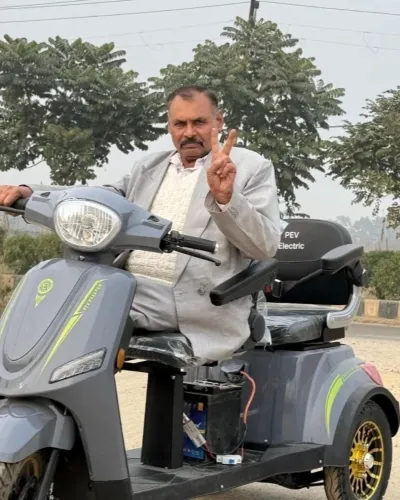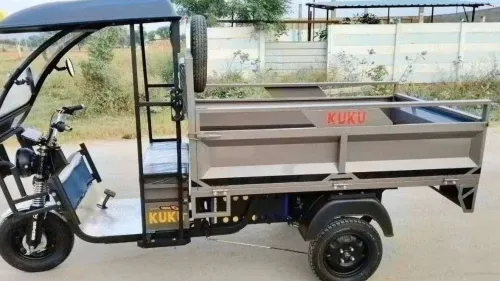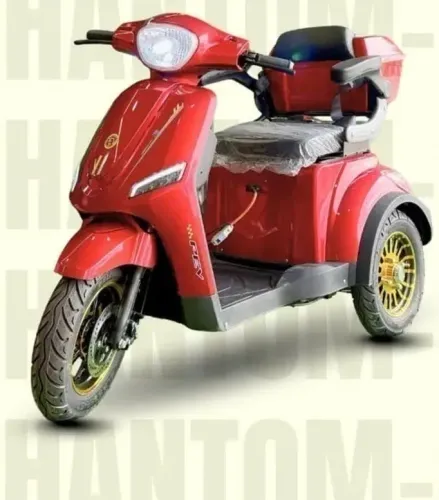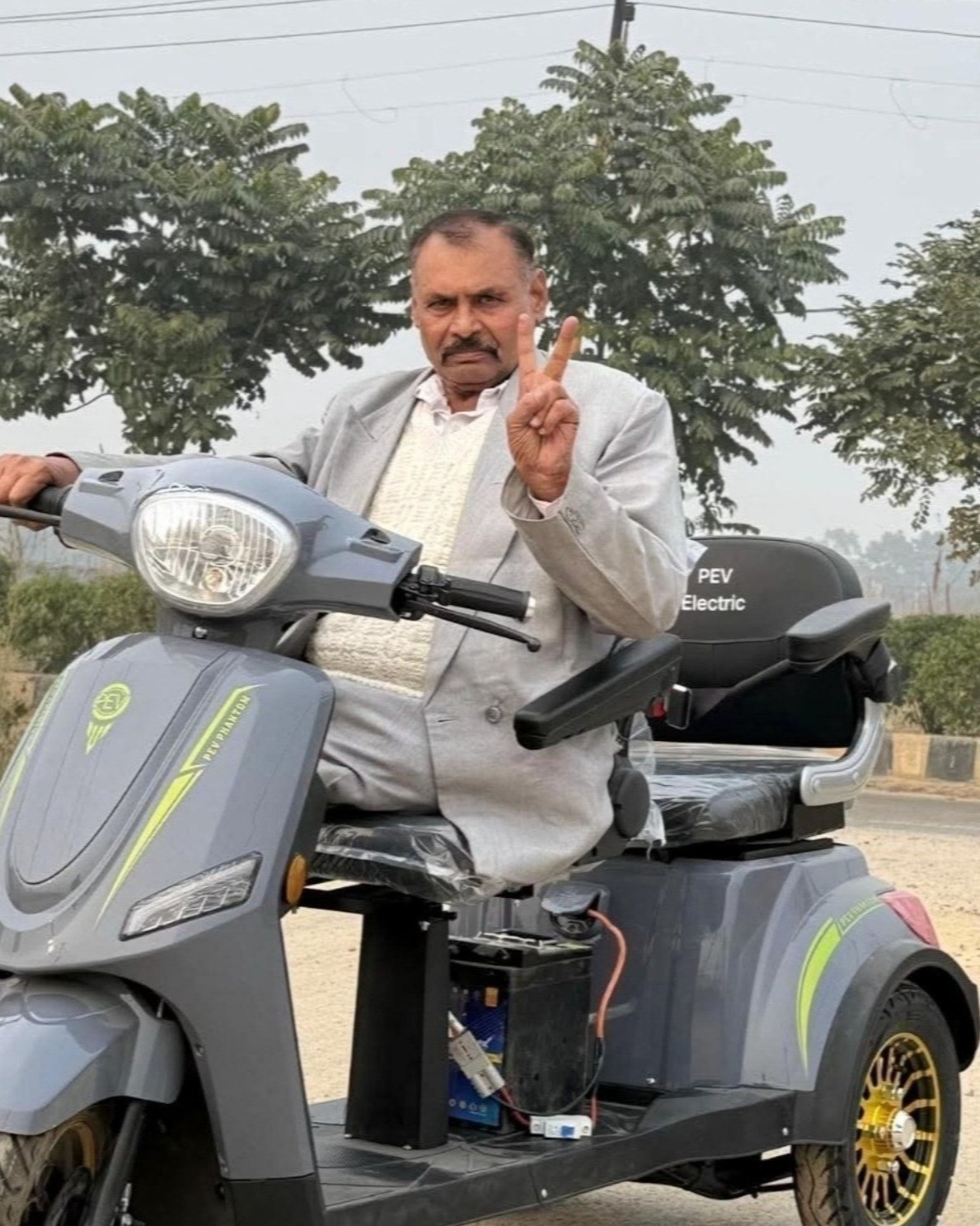
Comparing an electric three wheeler for disabled users requires a different approach from comparing ordinary scooters. Performance specifications matter, but accessibility and ease of operation can be equally important.
For buyers in Pune, the most effective comparison is based on how different vehicle features affect the intended user's actual routine.
Compare Accessibility Before Performance
Start with the basic physical interaction between the rider and vehicle.
Can the user get onto the seat comfortably? Is there sufficient space for their legs? Are the controls within comfortable reach? Can they get off without excessive effort?
These questions may quickly eliminate configurations that look suitable on paper but do not match the rider.
Compare Stability and Handling
Three-wheel vehicles have different handling characteristics from conventional two-wheel scooters. Buyers should understand how the particular model behaves while turning, reversing, braking, and travelling over common road surfaces.
For Pune users, it is worth considering the conditions likely to be encountered around residential roads, markets, neighbourhood streets, and other regular destinations.
The objective is not to find the most powerful specification. It is to identify a vehicle whose operation is manageable for the intended rider.
Compare Range Against Daily Distance
Suppose the user's normal routine involves only a few kilometres of travel each day. In that case, selecting a vehicle purely because it offers a much larger theoretical range may not provide meaningful additional value.
Instead, estimate:
Average daily distance
Longest expected routine trip
Frequency of trips
Typical passenger or load requirements
Availability of charging
Suitable operating margin
Remember that actual range can vary with operating conditions.
Compare Dimensions and Manoeuvrability
Measure the space where the vehicle will be parked.
Then consider entrances, gates, lifts where relevant, ramps, internal society roads, and turning areas. A wider vehicle may provide a different riding experience, but it also requires adequate space.
This is particularly relevant in established Pune residential areas where parking layouts were not necessarily designed around electric mobility vehicles.
Compare Ownership Support
A vehicle continues to require attention after purchase. Ask about routine maintenance, battery care, tyres, brakes, electrical components, warranty conditions, and availability of relevant parts or service support.
Also clarify what documentation accompanies the vehicle and what requirements apply to the particular configuration.
Compare Usability, Not Just Price
A lower purchase price does not necessarily represent better value if the vehicle is difficult for the rider to operate. Likewise, additional features have limited value if they do not solve a genuine user need.
VINAYAK AUTO can assist Pune customers evaluating three-wheel electric mobility options by helping them understand available configurations in relation to intended use.
A useful comparison therefore places the user at the centre. Accessibility, control simplicity, dimensions, charging, range, maintenance, and local Maharashtra operating conditions should carry as much weight as price. For disabled users, the best-fitting vehicle is the one whose characteristics align closely with their specific mobility requirements.